

Surface Irrigation
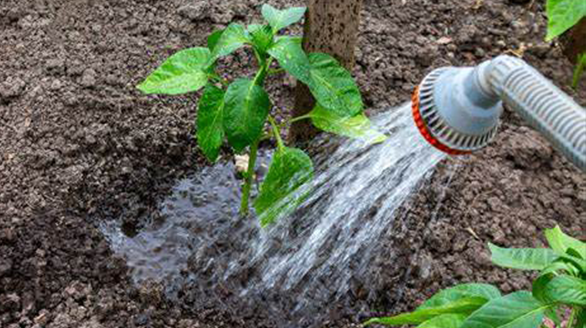
In surface irrigation water is applied directly to the soil surface and allowed to flow over the field by gravity. This irrigation is done manually, with no involvement of any machine. It's one of the oldest and simplest methods of irrigation.

Localized Irrigation
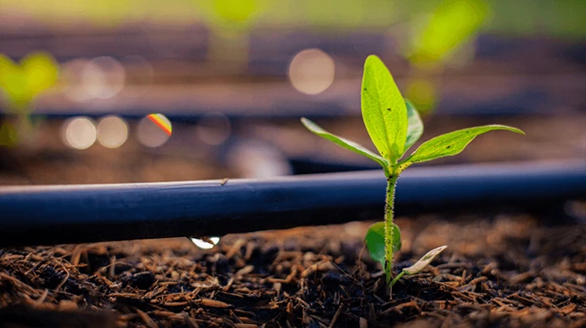
It is also known as Micro Irrigation. Localized irrigation systems apply water directly to the root area of individual plants, reducing water loss from the soil through evaporation. It reduces water wastage, reduces evaporation, and weed growth. The network of pipes provides water evenly to the plants under low pressure. Drip irrigation, porous clay pots, porous pipes, and perforated plastic sleeves are examples of localized irrigation methods.

Sprinkler Irrigation
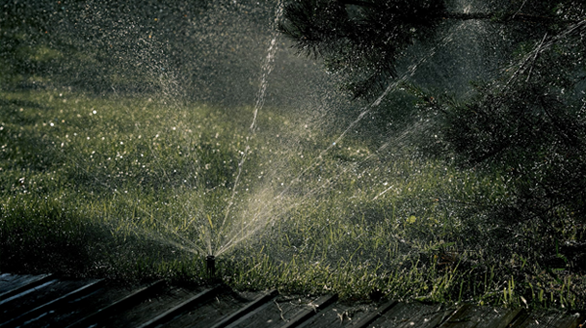
With the help ofa pump, a sprinkler irrigation system apply water under high pressure. It uses a small diameter nozzle in the pipes and distributes it in the form of small water droplets that resembles rain. Due to the wide range of discharge capacity, water is spread through a system of pipes, sprayed into the air, and irrigate the area. This method is commonly used in agriculture, landscaping, and sports field maintenance.

Drip Irrigation
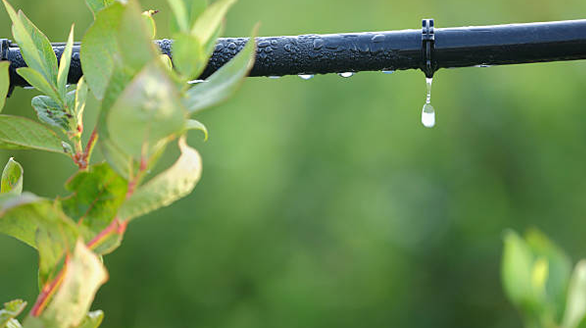
Drip irrigation is the most effective technique for providing water and nutrients to crops with less amount of water loss. This method involves the controlled release of water through a network of pipes, tubes, and emitters placed near or within the soil. It provides water and nutrients directly to the root area of the plant in precise amount and at specific time, ensuring that each plant receives exactly what it requires, when it requires it, for optimal growth.
Center Pivot Irrigation
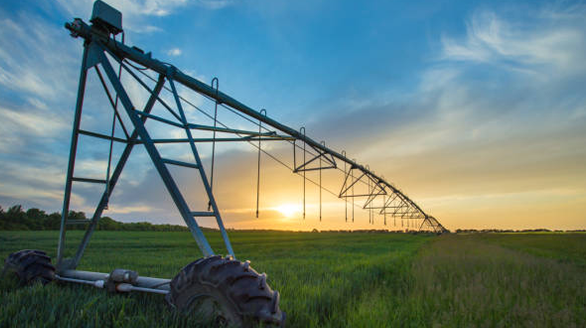
Center-pivot irrigation, also known as water-wheel or circle irrigation, is a mechanized method of irrigating large agricultural fields in a circular pattern. It uses a rotating system of pipes and sprinklers mounted on wheeled towers, with a central pivot point that delivers water to crops as the equipment moves in a circular path around the pivot point.

Manual Irrigation
As the name suggests it can be done by anyone who is physically capable. Manual irrigation is by far the most common kind of irrigation. The farmer circulates water from the plant to the plant with manual irrigation. This requires a lot of effort and time, and it's usually done with a hose or bucket. It is suitable for small areas.
